Discover how to help support your child as they transition to chapter books in our guest blog by literacy advocate Julia Bastin.
Picture books are wonderful, and becoming better and better. There seems no limit to the inspiring stories and inspired illustrators, not to mention the print technology that allows fabulous pop-ups and sparkles and even sounds. How lucky we are to read these with our children or grandchildren, at bedtime or any time, sitting cosily together on the sofa…
Spare a thought for these same children as beginner readers, wriggling on hard chairs in a classroom and putting in all the effort of reading aloud, only to be judged on every slip they make. All that’s joyful about picture books is stripped out: wordplay, sophisticated illustration, special effects. It may be enough to make children functional readers – but what can we do to make them motivated and willing readers – truly, readers for life?
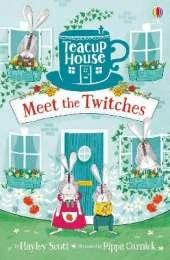
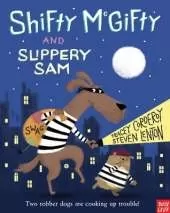
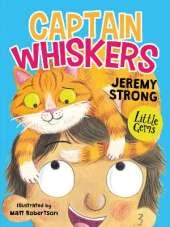
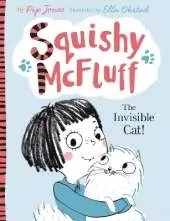
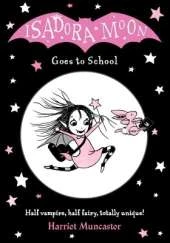
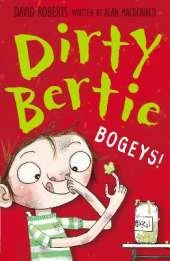
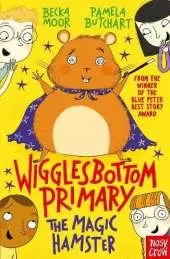
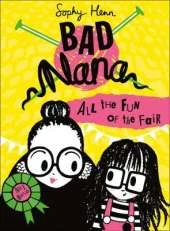
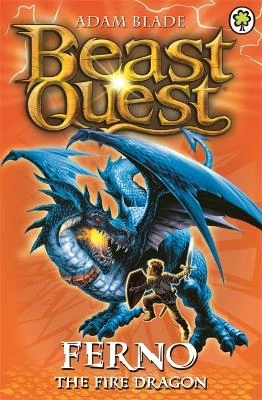
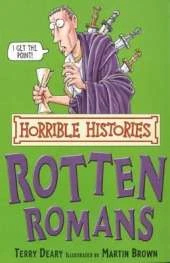
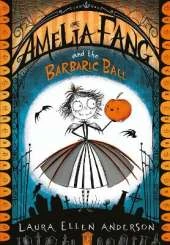
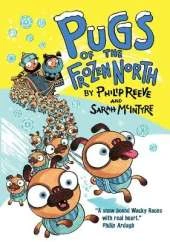
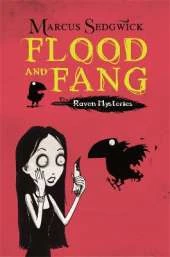
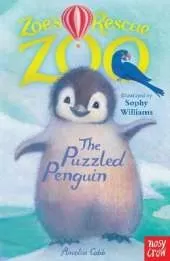
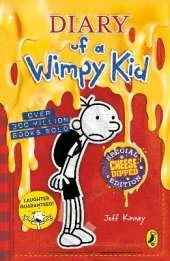
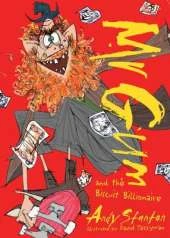
Showing your own interest is key. If your children are sent home with reading books three times a week, then hearing them read, and discussing the story they have read (even if you agree that it’s lame) shows that you value their efforts. You can supplement their school reading with books that pick up on their interests (do ask class teachers if they have any suggestions). There are some brilliant series for beginner and developing readers, with examples given below. These provide valuable support for the early reader: a familiar setting, a consistent level of language and structure. Finishing one book in a series and moving on to the next is always satisfying and motivating.
Children don’t always need to be challenged. It’s so disheartening for a child to be told ‘you’re too old for that’, whether ‘that’ is a well-loved picture book or a wonderfully silly and subversive comic. As grown-ups, we may be capable of reading Dostoevsky, but we value our comfort reads, too. Your child’s school should be setting their challenge reading; you can help by providing reading that constantly encourages them to read further: not because they ought, but because they really want to.
A note on levels*