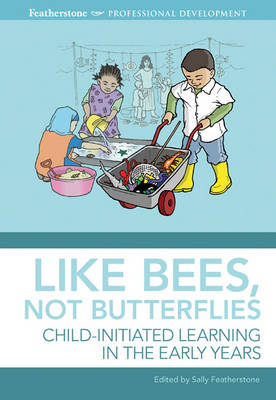
Why is it that, when children play, some behave like butterflies,flitting around among the flowers of the activities on offer, landingfor a moment before moving on to the next attractive flower (activity)while others behave with the single minded concentration of bees?As children grow and learn, they acquire skills through play andpractical activities. This recently acquired learning is tenuous and issecured through practice, repeating the skills in different contexts,with different people. Only then will learning be 'hard wired' forlife. It is now evident that where children are able to selectresources, play companions and activities for themselves, they canpractise emerging skills and concepts by selecting the resources theyneed and using them in ways which are unique to them.This book, written by a group of experts in early years practice,explores the place and purpose of child-intitiated learning in highquality early years practice. Child-initiated learning is a key featureof the new Early Years Foundation Stage which will be implemented inSeptember 2008.
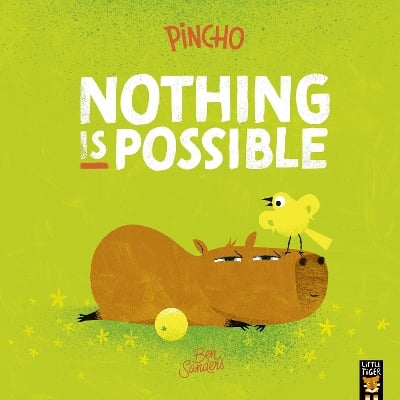
BOOK OF THE WEEK - Young readers will love this gorgeous picture book about a chilled capybara who just won't be rushed.
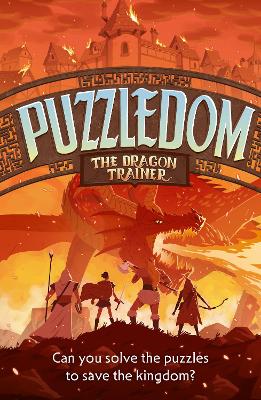
Can you solve the puzzles to save the Kingdom? Put your puzzle skills to the test with mazes, word games and codes to crack!
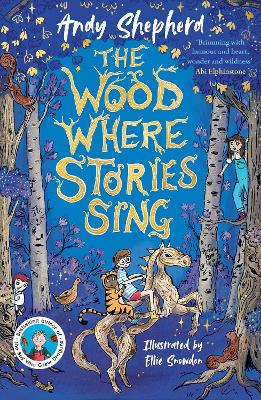
The second book in this popular series celebrating friendship, magic and fighting for what you believe in.
No one has written a review for 'Like Bees, Not Butterflies: Child-initiated Learning in the Early Years'
Why not be the first to share your opinion?
Sally Featherstone has a wealth of experience as a teacher, head teacher and a local authority adviser and inspector. In recent years, alongside her activities in publishing, Sally built a national reputation as a trainer and consultant in the Primary and Early Years field - she is currently concentrating on expanding her writing about learning in the early
More about Sally Featherstone