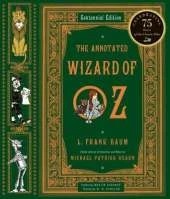
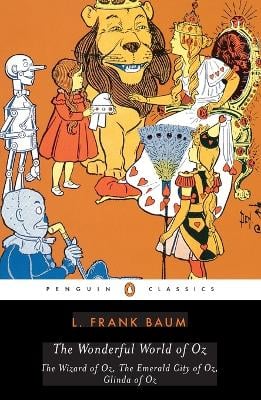
This fully annotated volume collects three of Baum's fourteen Oz novels in which he developed his utopian vision and which garnered an immense and loyal following. The Wizard of Oz (1900) introduces Dorothy, who arrives from Kansas and meets the Scarecrow, the Tin Woodman, the Cowardly Lion, and a host of other characters. The Emerald City of Oz (1910) finds Dorothy, Aunt Em, and Uncle Henry coming to Oz just as the wicked Nome King is plotting to conquer its people. In Baum's final novel, Glinda of Oz (1920), Dorothy and Princess Ozma try to prevent a battle between the Skeezers and the Flatheads. Tapping into a deeply rooted desire in himself and his loyal readers to live in a peaceful country which values the sharing of talents and gifts, Baum's imaginative creation, like all great utopian literature, holds out the possibility for change. Also included is a selection of the original illustrations by W. W. Denslow and John R. Neill.
For more than seventy years, Penguin has been the leading publisher of classic literature in the English-speaking world. With more than 1,700 titles, Penguin Classics represents a global bookshelf of the best works throughout history and across genres and disciplines. Readers trust the series to provide authoritative texts enhanced by introductions and notes by distinguished scholars and contemporary authors, as well as up-to-date translations by award-winning translators.
This is Book 1 in the Classic, 20th-Century, Penguin Series. See all Classic, 20th-Century, Penguin books here.
See More Classic fiction

L. Frank Baum is the author of 14 Oz books, as well as many other classics of American fantasy. THE WONDERFUL WIZARD OF OZ is the best known of his legendary books.
More about L. Frank BaumLyman Frank Baum was born in 1856 in Chittenango in the state of New York. Educated mostly at home due to ill health, he was encouraged by his wealthy father to pursue his early interests in journalism and playwriting. He started his first magazine aged 15, had his own theatre at 24 and worked for many newspapers and periodicals before turning to children's
More about W. W. Denslow
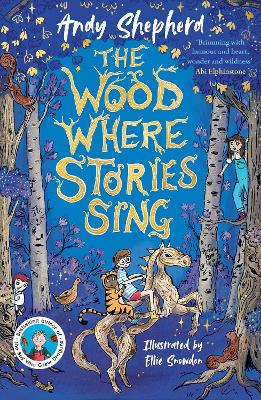 The second book in a fabulous new magical, middle-grade series filled with adventure, wonder and wildness,