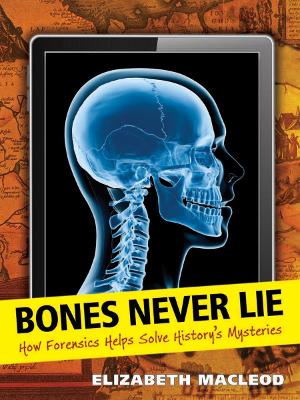
How did King Tut really die? The mystery of the young pharaoh's death is only one of the puzzles that modern science has helped solve. Thanks to forensics--the science of examining physical evidence--we now know that King Tut died of malaria. We also know that stomach cancer, and not arsenic as suspected, killed Napoleon. Seven intriguing stories about historical royal figures whose demise was suspicious, and hard scientific facts about crime-solving techniques make each event seem like an episode of CSI rather than a history lesson. Kids will be fascinated to find out how scientists use autopsy results, DNA testing, bone fragments, and even insects to determine the cause of death. At times a gripping whodunit, at others an exercise in deductive reasoning, this book will be hard to put down for any kids who love mysteries, murder, and suspense.
See More Natural history
No one has written a review for 'Bones Never Lie: How Forensics Helps Solve History's Mysteries'
Why not be the first to share your opinion?
Elizabeth MacLeod is a prolific author whose non-fiction books have been published by Kids Can Press and Scholastic; Vanished is her fifth book with Annick Press. She lives in Toronto.
Roslyn Schwartz has lived in many places, including London, Paris, and San Francisco; she currently resides in Montreal. Roslyn is the author and illustrator of the first six popular "Mole Sisters" books as well as a new picture book for toddlers, "Yo Baby!." She has also worked on animated films.
More about Saoussan AskarDebora Pearson is the author of many books for children including the "Mighty Wheels" series, and co-author of adventure-travel books such as "Jungle Islands," "52 Days by Camel," and "By Truck to the North" and "The TV Book: Talking Back to your TV." She is the former editor of "OWL," an award-winning educational magazine for kids. Debora lives in Tor
More about Tina Holdcroft
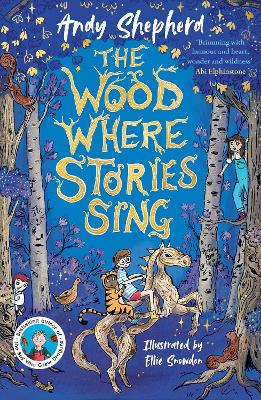 The second book in a fabulous new magical, middle-grade series filled with adventure, wonder and wildness,