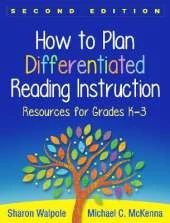
Offering step-by-step guidance to simplify planning and decision making, this book reviews the basics of differentiated reading instruction and provides detailed, ready-to-use lesson plans and materials to help teachers hit the ground running. Teachers get everything they need to implement four types of instructional groups over multiple three-week cycles. For fluency, vocabulary, and comprehension, lessons are based on popular, inexpensive trade books. For phonemic awareness and word recognition, dozens of reproducibles are provided, all in a convenient large-size format. The book can be used on its own or as a complement to Differentiated Reading Instruction: Strategies for the Primary Grades, which offers a complete introduction to the authors' approach.
This is Book 8 in the Solving Problems in the Teaching of Literacy Series. See all Solving Problems in the Teaching of Literacy books here.
See More Educational: English language: reading & writing skills
No one has written a review for 'How to Plan Differentiated Reading Instruction: Resources for Grades K-3'
Why not be the first to share your opinion?
Sharon Walpole, PhD, is Professor in the School of Education at the University of Delaware. She has extensive school-based experience designing and implementing tiered instructional programs. Dr. Walpole has also been involved in federally funded and other schoolwide reform projects. Her current work involves the design and effects of schoolwide reforms, par
More about Sharon WalpoleMichael C. McKenna, PhD, was Thomas G. Jewell Professor of Reading in the Curry School of Education at the University of Virginia until his death in 2016. He authored, coauthored, or edited more than 20 books, including Assessment for Reading Instruction, Third Edition; How to Plan Differentiated Reading Instruction, Second Edition: Resources for Grades KaEU
More about Michael C. McKenna


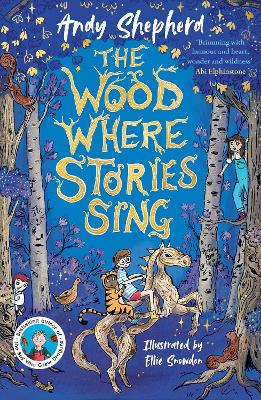 The second book in a fabulous new magical, middle-grade series filled with adventure, wonder and wildness,