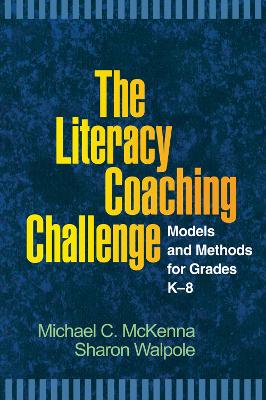
When the goal is supporting excellent teaching, there is no one-size-fits-all approach. This popular practitioner resource and text helps readers navigate the many choices involved in developing and fine-tuning a coaching program that offers the best fit for a particular school. The authors draw on current research as well as their extensive experience in K-8 settings. They provide clear guidance (with helpful reproducibles) on:*Major coaching models and how to choose among them.*Applying principles of adult learning and motivation.*The role of reading assessment in coaching.*Balancing classroom-level, grade-level, and whole-school tasks.*Special considerations in middle school coaching.
See also The Literacy Coach's Handbook, Second Edition, which offers a complete primer on the role of the literacy coach and what coaches need to know to get started.
This is Book 9 in the Solving Problems in the Teaching of Literacy Series. See all Solving Problems in the Teaching of Literacy books here.
No one has written a review for 'The Literacy Coaching Challenge: Models and Methods for Grades K-8'
Why not be the first to share your opinion?
Michael C. McKenna, PhD, was Thomas G. Jewell Professor of Reading in the Curry School of Education at the University of Virginia until his death in 2016. He authored, coauthored, or edited more than 20 books, including Assessment for Reading Instruction, Third Edition; How to Plan Differentiated Reading Instruction, Second Edition: Resources for Grades KaEU
More about Michael C. McKennaSharon Walpole, PhD, is Professor in the School of Education at the University of Delaware. She has extensive school-based experience designing and implementing tiered instructional programs. Dr. Walpole has also been involved in federally funded and other schoolwide reform projects. Her current work involves the design and effects of schoolwide reforms, par
More about Sharon Walpole
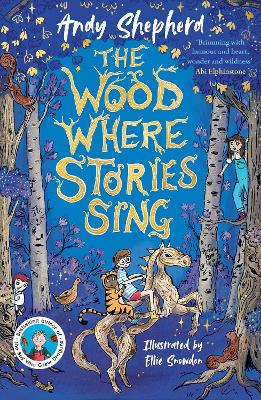 The second book in a fabulous new magical, middle-grade series filled with adventure, wonder and wildness,