With an Introduction and Notes by Stuart Hutchinson, University of Kent at Canterbury.
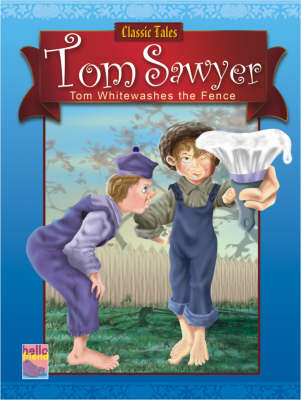
Tom Sawyer, a shrewd and adventurous boy, is as much at home in the respectable world of his Aunt Polly as in the self-reliant and parentless world of his friend Huck Finn. The two enjoy a series of adventures, accidentally witnessing a murder, establishing the innocence of the man wrongly accused, as well as being hunted by Injun Joe, the true murderer, eventually escaping and finding the treasure that Joe had buried.
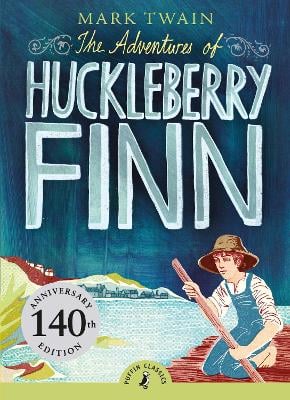
Huckleberry Finn recounts the further adventures of Huck, who runs away from a drunken and brutal father, and meets up with the escaped slave Jim. They float down the Mississippi on a raft, participating in the lives of the characters they meet, witnessing corruption, moral decay and intellectual impoverishment.
Sharing so much in background and character, these two stories, the best of Twain, indisputably belong together in one volume. Though originally written as adventure stories for young people, the vivid writing provides a profound commentary on provincial American life in the mid-nineteenth century and the institution of slavery.
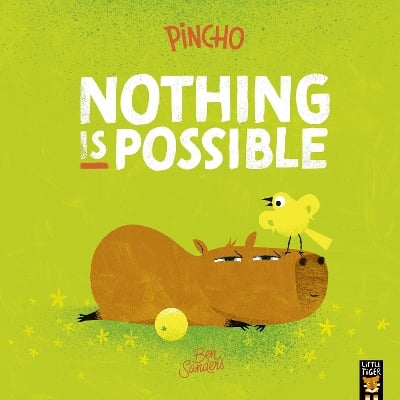
BOOK OF THE WEEK - Young readers will love this gorgeous picture book about a chilled capybara who just won't be rushed.
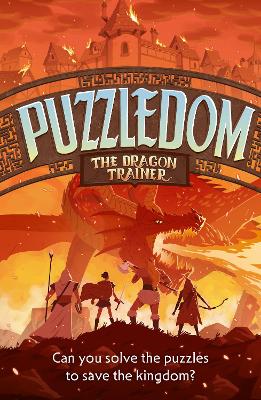
Can you solve the puzzles to save the Kingdom? Put your puzzle skills to the test with mazes, word games and codes to crack!
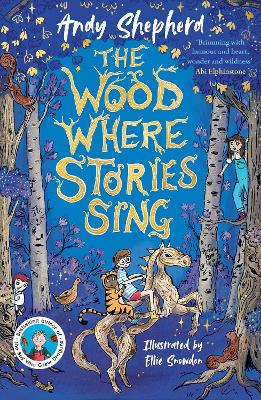
The second book in this popular series celebrating friendship, magic and fighting for what you believe in.
This is Book 2 in the Wordsworth Classics Series. See all Wordsworth Classics books here.
See More Classic fiction
No one has written a review for 'Tom Sawyer & Huckleberry Finn'
Why not be the first to share your opinion?
Mark Twain was born Samuel Langhorne Clemens in 1935 in Missouri, USA. He trained and worked as a printer until 1857 when he became an apprentice pilot on the steamboats of the Mississippi River. After a brief spell as a miner in Nevada he took up journalism and began using the pen name Mark Twain. Some years of travelling and lecturing followed and