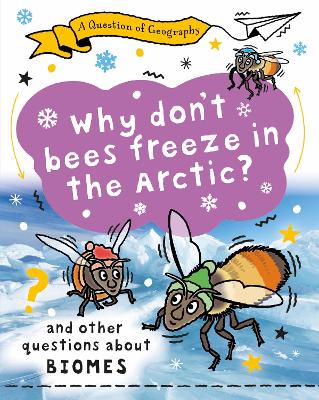
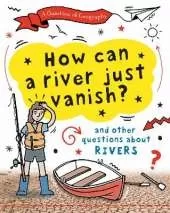
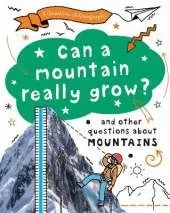
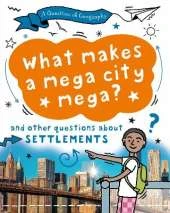
A fun, quirky geography series that tackles the questions other books are afraid to ask!
Do yeti crabs live up mountains? How does a leaf know it's autumn? And are there really plants that eat POO?!
Find out the answers to all these questions and much more in A Question of Geography: Biomes!
With an engaging question and answer format, these books draw kids into geography in a fun way. Each book features one question per spread with a clear explanation to follow, maps, photos and fun and humorous illustrations. The quirky questions are designed to range from those that children will often ask to things they may never have thought of, but will still be keen to know the answer to.
Perfect reading for curious young geographers aged 8 and up.
Titles in the series:
A Question of Geography: What Makes Land Wobble? and other questions about earthquakes
A Question of Geography: Do Tigers Live in the Taiga? and other questions about biomes
A Question of Geography: Can a Mountain Really Grow?: and other questions about mountains
A Question of Geography: How Can it Rain Fish?: and other questions about weather
A Question of Geography: Can a River Just Vanish?: and other questions about rivers
A Question of Geography: Why is a Volcano Selfie a Bad Idea?: and other questions about volcanoes
A Question of Geography: What Makes a Mega City Mega?: and other questions about settlements
A Question of Geography: How Can a Tree Turn into Rock?: and other questions about natural resources
This is Book 7 in the A Question of Geography Series. See all A Question of Geography books here.
No one has written a review for 'A Question of Geography: Why Don't Bees Freeze in the Arctic?: and other questions about biomes'
Why not be the first to share your opinion?
Clive Gifford is a highly experienced journalist and author who has more than 70 books in print for both adults and children. Among his children's titles are Spies (Kingfisher), Refugees (Belitha), and The Kingfisher Soccer Encyclopedia. He has written a number of highly acclaimed titles on the subject of robotics, including How to Be a Robot (OUP) and Insid
More about Clive Gifford