In 2013, the World Bank Group announced two goals that would guide its operations worldwide. First is the eradication of chronic extreme poverty bringing the number of extremely poor people, defined as those living on less than 1.25 purchasing power parity (PPP)–adjusted dollars a day, to less than 3 percent of the world’s population by 2030.The second is the boosting of shared prosperity, defined as promoting the growth of per capita real income of the poorest 40 percent of the population in each country.
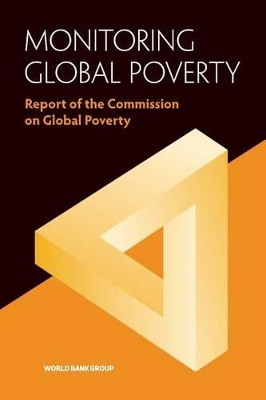
In 2015, United Nations member nations agreed in New York to a set of post- 2015 Sustainable Development Goals (SDGs), the first and foremost of which is the eradication of extreme poverty everywhere, in all its forms. Both the language and the spirit of the SDG objective reflect the growing acceptance of the idea that poverty is a multidimensional concept that reflects multiple deprivations in various aspects of well-being. That said, there is much less agreement on the best ways in which those deprivations should be measured, and on whether or how information on them should be aggregated. Monitoring Global Poverty: Report of the Commission on Global Poverty advises the World Bank on the measurement and monitoring of global poverty in two areas:
No one has written a review for 'Monitoring global poverty: report of the Commission on Global Poverty'
Why not be the first to share your opinion?

 The second book in a fabulous new magical, middle-grade series filled with adventure, wonder and wildness,