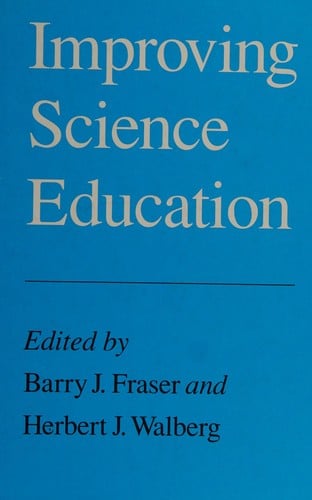
In this volume, specialists from Australia, Canada, Europe, the United Kingdom and the United States present a range of perspectives for improving science education in primary and secondary schools. The book offers educators and researchers a look at what peers from around the world have done to help science students achieve high levels of success. The introduction provides a concise account of worldwide reform movements, from modernizations in the 1950s that dramatically improved the teaching of chemistry and physics to such changes in the 1980s as the emphasis on the learning-to-learn approach and the trend toward using social issues as a vehicle for teaching science. The nine essays survey topics that include: teaching inquiry skills and other techniques to foster a joy of science; creating an understanding of real-world applications of science; managing course instruction with computers; encouraging teachers to adopt new styles of teaching; cross-national comparisons of science achievement; and the differences between boys and girls in attitude, learning and degree of participation.
This is Book 1 in the Contemporary Educational Issues Series. See all Contemporary Educational Issues books here.
No one has written a review for 'Improving Science Education: International Perspectives'
Why not be the first to share your opinion?

 The second book in a fabulous new magical, middle-grade series filled with adventure, wonder and wildness,