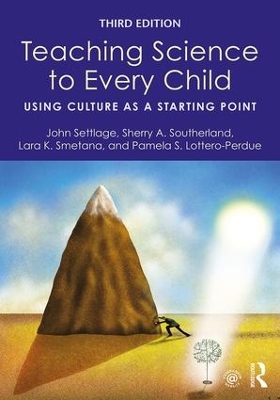
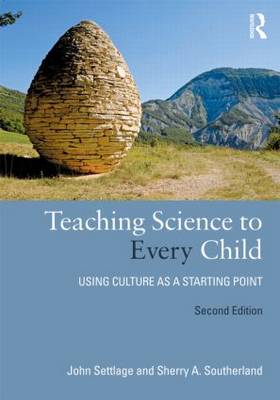
Ambitious and encouraging, this text for prospective and practicing elementary and middle school science teachers, grounded in contemporary science education reform, is a valuable resource that supplies concrete approaches to support the science and science-integrated engineering learning of each and every student. At its core, it is based in the view that science is its own culture, consisting of unique thought processes, specialized communication traditions, and distinctive methods and tools. Using culture as a starting point and connecting it to effective instructional approaches, the authors describe how a teacher can make science accessible to students who are typically pushed to the fringe—especially students of color and English language learners. Written in a conversational style, the authors capture the tone they use when they teach their own students. The readers are recognized as professional partners in the shared efforts to increase access, reduce inequities, and give all students the opportunities to participate in science.Changes in the Third Edition:
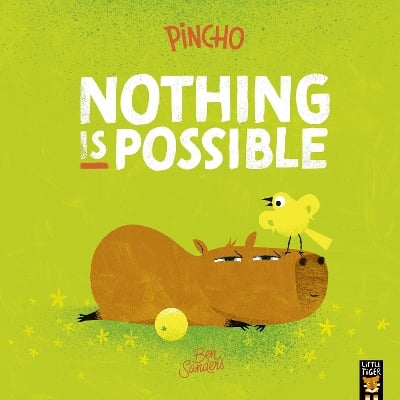
BOOK OF THE WEEK - Young readers will love this gorgeous picture book about a chilled capybara who just won't be rushed.
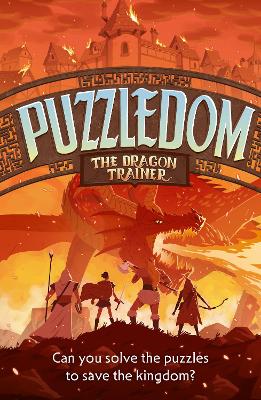
Can you solve the puzzles to save the Kingdom? Put your puzzle skills to the test with mazes, word games and codes to crack!
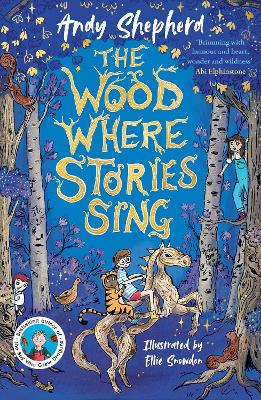
The second book in this popular series celebrating friendship, magic and fighting for what you believe in.
No one has written a review for 'Teaching Science to Every Child: Using Culture as a Starting Point'
Why not be the first to share your opinion?
John Settlage is an Associate Professor at the University of Connecticut within the Neag School of Education.
Sherry A. Southerland is an Associate Professor at Florida State University's College of Education.