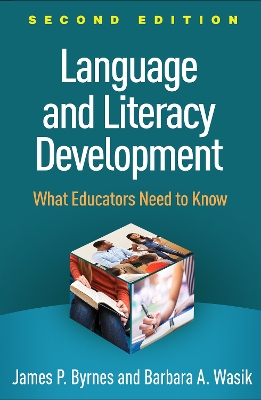
This established text--now revised and updated--reveals how spoken language skills are acquired and how they affect children’s later reading and writing achievement. With a unique focus on the needs of educators, the book examines the foundations of language in the developing brain. It explores the relationship of language processes to core literacy skills and probes the impact of motivational and sociocultural factors on children’s learning. Implications of developmental knowledge for classroom instruction are highlighted, and effective practices reviewed. Revealing vignettes, clear explanations of research, and lists of “main ideas” enhance the text’s accessibility for preservice teachers.
New to This Edition
*Chapter on emergent literacy and the predictors of reading success.
*Incorporates the latest research, including findings from key longitudinal studies.
*Increased attention to English learners, low-income children, and children with disabilities.
*Updated and expanded topics, including usage-based theories of language acquisition, morphological knowledge in vocabulary and comprehension, phonological processing skills, and writing development.
This is Book 33 in the Solving Problems in the Teaching of Literacy Series. See all Solving Problems in the Teaching of Literacy books here.
No one has written a review for 'Language and Literacy Development, Second Edition: What Educators Need to Know'
Why not be the first to share your opinion?
James P. Byrnes, PhD, is Associate Dean for Academic Affairs in the College of Education at Temple University in Philadelphia. He is a Fellow of Division 15 (Educational Psychology) of the American Psychological Association and has served as Vice President of the Jean Piaget Society. An Associate Editor of the Journal of Cognition and Development, Dr. Byrnes
More about James P. Byrnes