What students learn about the science disciplines, technology, engineering, and mathematics during their K-12 schooling shapes their intellectual development, opportunities for future study and work, and choices of career, as well as their capacity to make informed decisions about political and civic issues and about their own lives. Most people share the vision that a highly capable STEM workforce and a population that understands and supports the scientific enterprise are key to the future place of the United States in global economics and politics and to the well-being of the nation. Indeed, the solutions to some of the most daunting problems facing the nation will require not only the expertise of top STEM professionals but also the wisdom and understanding of its citizens. Although much is known about why schools may not succeed, it is far less clear what makes STEM education effective. Successful STEM Education: A Workshop Summary discusses the importance of STEM education.
The report describes the primary types of K-12 schools and programs that can support successful education in the STEM disciplines and examines data and research that demonstrate the effectiveness of these school types. It also summarizes research that helps to identify both the elements that make such programs effective and what is needed to implement these elements.
This is Book 1 in the Competitiveness Series. See all Competitiveness books here.
See More Educational: Sciences, general science
See More Educational: Mathematics & numeracy
No one has written a review for 'Successful STEM Education: A Workshop Summary'
Why not be the first to share your opinion?
Mathematical Sciences Education Board, National Research Council
More about National Research CouncilCommittee for a Review of the Evaluation Data on the Effectiveness of NSF-Supported and Commercially Generated Mathematics Curriculum Materials, Jere Confrey and Vicki Stohl, Editors, National Research Council
More about Division of Behavioral and Social Sciences and EducationCommittee on Science and Mathematics Teacher Preparation, National Research Council
More about Board on Science Education

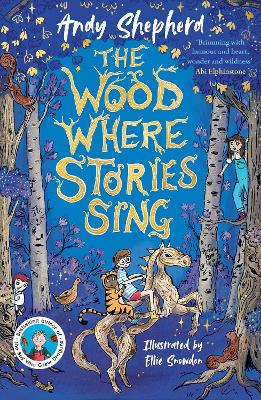 The second book in a fabulous new magical, middle-grade series filled with adventure, wonder and wildness,