'I have heard men say, that seeing is believing; but I should say that feeling is believing.'
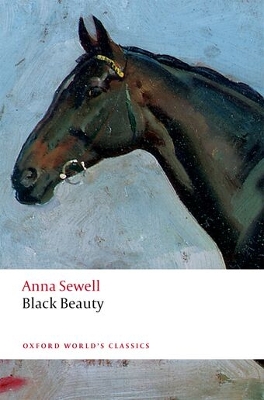
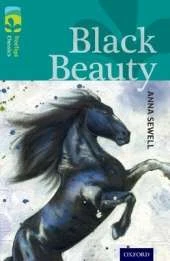
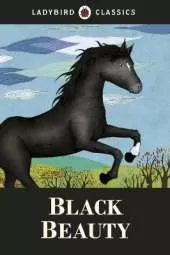
Anna Sewell's famous 'Autobiography of a Horse, published in 1877, is one of the bestselling novels in English. It was written not for children, but to expose and prevent cruelty to horses, and is a classic of Victorian literature that continues to captivate readers young and old. Black Beauty's moving story recounts his idyllic colthood and his experiences at the hands of a variety of owners, good and bad. Describing his life as a horse in Victorian England, he tells of his equine companions and human carers, and of the unthinking brutality to which horses were often subjected. A sympathetic hero who faces danger and excitement, Black Beauty never wavers in his principles, and the powerful lessons he teaches influenced animal welfare in England and America.
This edition restores the original 1877 text and explores the multiple ways in which the novel has been read: as accessible horse-care manual, protest novel, feminist text, autobiography, slave narrative, and classic animal story.
ABOUT THE SERIES: For over 100 years Oxford World's Classics has made available the widest range of literature from around the globe. Each affordable volume reflects Oxford's commitment to scholarship, providing the most accurate text plus a wealth of other valuable features, including expert introductions by leading authorities, helpful notes to clarify the text, up-to-date bibliographies for further study, and much more.
This is Book 19 in the Oxford World's Classics Series. See all Oxford World's Classics books here.
See More Classic fiction
No one has written a review for 'Black Beauty'
Why not be the first to share your opinion?
Anna Sewell was born in 1820 in Great Yarmouth, Norfolk, England. At the age of fourteen she injured both of her ankles in an accident, which meant that she could never walk properly again. Because of this she relied heavily on travelling in horse-drawn carriages, and it was from here that her love of horses grew. In 1871 Anna be