Exam board: SQA
Level: Higher
Subject: Physics
First teaching: September 2018
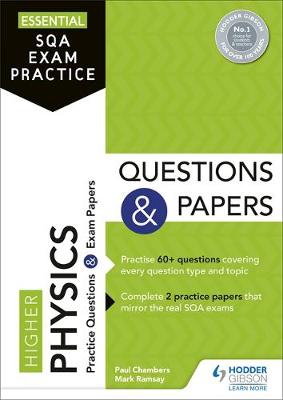
First exam: Summer 2019 Practice makes permanent. Feel confident and prepared for the SQA Higher Physics exam with this two-in-one book, containing practice questions for every question type and topic, plus two full practice papers - all written by experienced examiners. - Choose to revise by question type or topic: A simple grid enables you to pick particular question styles or course areas that you want to focus on, with answers provided at the back of the book - Understand what the examiner is looking for: Clear guidance on how to answer each question type is followed by plenty of questions so you can put the advice into practice, building essential exam skills - Remember more in your exam: Repeated and extended practice will give you a secure knowledge of the key areas of the course (our dynamic universe; particles and waves; electricity) - Familiarise yourself with the exam paper: Both practice papers mirror the language and layout of the real SQA papers; complete them in timed, exam-style conditions to increase your confidence before the exams - Find out how to achieve a better grade: Answers to the practice papers have commentaries for each question, with tips on writing successful answers and avoiding common mistakes Fully up to date with SQA's requirements
The questions, mark schemes and guidance in this practice book match the requirements of the revised SQA Higher Physics specification for examination from 2019 onwards.
See More Educational: Physics
No one has written a review for 'Essential SQA Exam Practice: Higher Physics Questions and Papers'
Why not be the first to share your opinion?
Paul Chambers was educated at Cambridge and Nottingham Universities. Subsequently, he worked in three different schools before spending many years recruiting and training teachers of mathematics at one of the largest providers of teacher education in the country. He has worked as external examiner for two universities. He has direct experience of several dif
More about Paul Chambers