Observations Plus Recipes It has been said that science is the orderly collection of facts about the natural world. Scientists, however, are wary of using the word `fact. ' `Fact' has the feeling of absoluteness and universality, whereas scientific observations are neither ab- lute nor universal. For example, `children have 20 deciduous [baby] teeth' is an observation about the real world, but scientists would not call it a fact. Some children have fewer deciduous teeth, and some have more. Even those children who have exactly 20 deciduous teeth use the full set during only a part of their childhood. When they are babies and t- dlers, children have less than 20 visible teeth, and as they grow older, children begin to loose their deciduous teeth, which are then replaced by permanent teeth. `Children have 20 deciduous [baby] teeth' is not even a complete scientific sta- ment. For one thing, the statement `children have 20 deciduous teeth' does not tell us what we mean by `teeth. ' When we say "teeth," do we mean only those that can seen be with the unaided eye, or do we also include the hidden, unerupted teeth? An observation such as `children have 20 deciduous teeth' is not a fact, and, by itself, it is not acceptable as a scientific statement until its terms are explained: scientifically, `children have 20 deciduous teeth' must be accompanied by definitions and qualifiers.
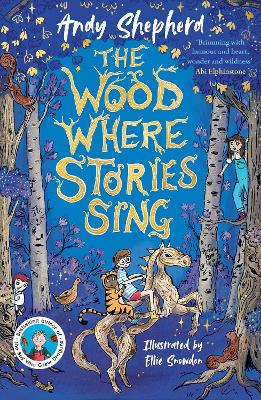
BOOK OF THE WEEK - A brilliant middle-grade story celebrating friendship, magic and fighting for change.
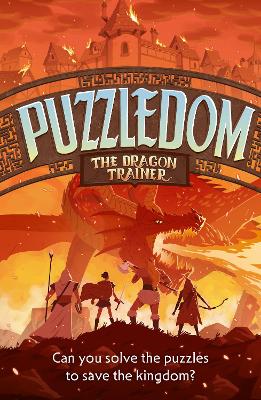
Can you solve the puzzles to save the Kingdom? Put your puzzle skills to the test with mazes, word games and codes to crack!
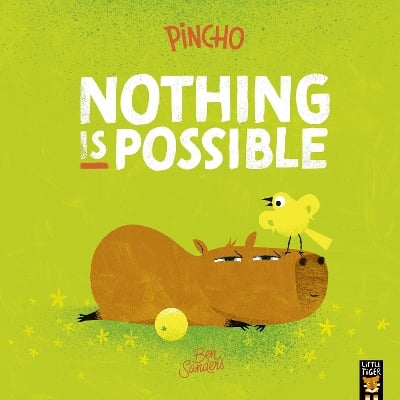
Young readers will love this gorgeous picture book about a chilled capybara who just won't be rushed.
No one has written a review for 'From Research to Manuscript: A Guide to Scientific Writing'
Why not be the first to share your opinion?