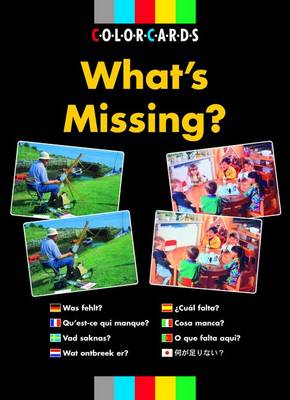
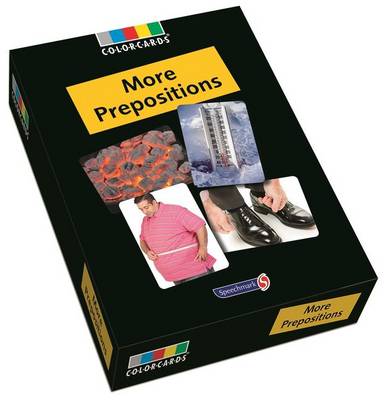
This pack comprises 48 large format photocards. The cards are divided into 24 pairs of pictures. One of each pair (card A) is complete and acts as a reference card. The second card of the pair (card B) has five items or part items removed. Some cards are simple visually and conceptually; others are more complex. They are arranged in order of difficulty. It offers a clever and useful set of 24 pairs of photographs showing a complete scene in one card and another of the same scene with five items missing. For example, in a picinic scene, a cup, banana, basket handle, man's ring and half a plate are missing. The missing items fall into the following categories: a change that has no influence on the activity depicted; a change that is an inconvenience or an anomaly; a change that prevents the functioning of an object; and, a change that is not possible in real life. "What's missing?" has been designed to develop: observation skills; identification of anomalies; simple problem solving; the relationship between cause and effect; attention and concentration skills; the use of concise, descriptive language; and, visual memory. It can be used for more complex higher-level language work and general language situation with older children and adolescents.
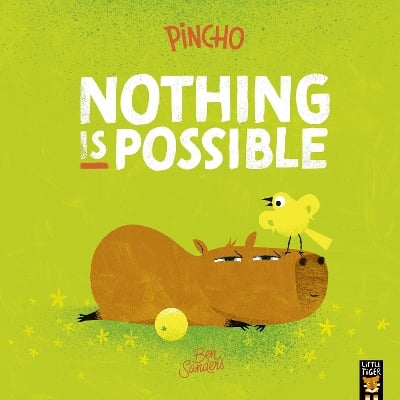
BOOK OF THE WEEK - Young readers will love this gorgeous picture book about a chilled capybara who just won't be rushed.
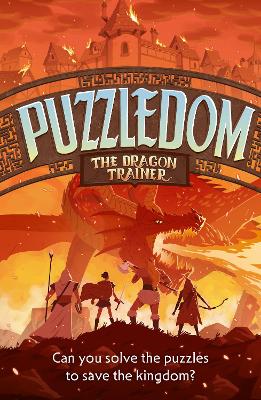
Can you solve the puzzles to save the Kingdom? Put your puzzle skills to the test with mazes, word games and codes to crack!
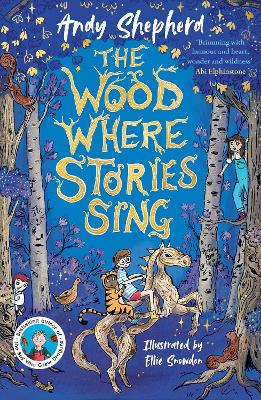
The second book in this popular series celebrating friendship, magic and fighting for what you believe in.
This is Book 22 in the Colorcards Series. See all Colorcards books here.
See More Educational: General studies / study skills general
No one has written a review for 'What's Missing?: Colorcards'
Why not be the first to share your opinion?
Catherine Renfrew's three tests have been used for many years and provide a means of asessing children's speech and language. All tests are suitable for use with 3-8 year olds are norm refered to enable therapists to produce comparative results. Norms are given at six-monthly intervals for both the Action Picture Test and Word finding Vocabulary and monthl
More about Speechmark