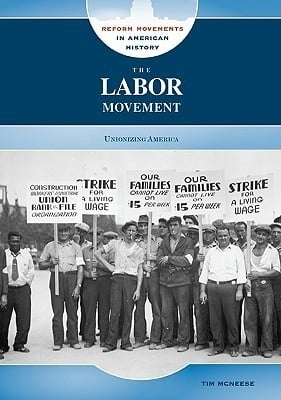
The labor movement espoused social equality and honest labor through the formation of labor unions. Although groups such as the Knights of Labor and the American Federation of Labor, both of which represented skilled laborers, began to figure prominently in industry in the late 1800s, labor unions that represented unskilled workers did not gain influence until the early 1900s. By the 1930s, labor unions were becoming more accepted, thanks in part to the National Labor Relations Act, which gave workers the right to establish unions without interference from their employers. Crisply written and illustrated with compelling photographs and sidebars, ""The Labor Movement"" is a thorough look at the movement that has had a profound effect on how industry operates in the United States.
BOOK OF THE WEEK - Young readers will love this gorgeous picture book about a chilled capybara who just won't be rushed.
Can you solve the puzzles to save the Kingdom? Put your puzzle skills to the test with mazes, word games and codes to crack!
The second book in this popular series celebrating friendship, magic and fighting for what you believe in.
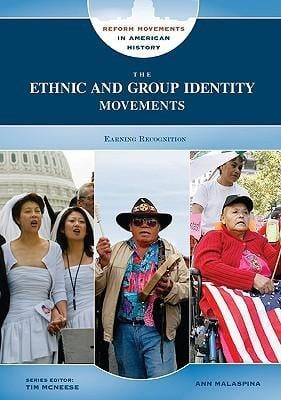
This is Book 3 in the Reform Movements in American History Series. See all Reform Movements in American History books here.
No one has written a review for 'The Labor Movement'
Why not be the first to share your opinion?
Tim McNeese is associate professor of history at York College in York, Nebraska. He earned an associate's degree from York College, a B.A. in history and political science from Harding University, and an M.A. in history from Missouri State University. A prolific author of books for elementary, middle and high school, and college readers, McNeese has publishe
More about Tim McNeese