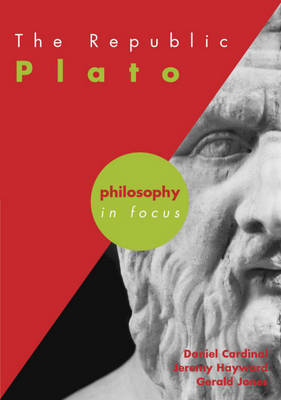
This book provides an accessible, readable, student-centred guide to Plato's Republic which is a set text for AQA AS Philosophy.
Through lucid explanation, careful use of modern examples and engaging activities it leads students towards deeper understanding of Plato's arguments and the wider philosophical implications of his ideas.
Key features include: - a biographical introduction setting The Republic in its historical context - a step-by-step guide through the text of The Republic including key quotes - tasks and activities to stimulate thought and help readers understand and evaluate Plato's philosophy - a critical analysis of the philosophical implications of Plato's ideas - end-of-chapter key point summaries covering what readers need to know to answer exam questions on The Republic - an extensive glossary of key words and ideas - thorough referencing to enable students to follow up key ideas and quotes in independent study
This is Book 1 in the Philosophy in Focus Series. See all Philosophy in Focus books here.
See More Educational: History
No one has written a review for 'The Republic: Plato'
Why not be the first to share your opinion?
Gerald Jones is Head of Humanities at the Mary Ward Centre, a DfES beacon college in central London. Gerald has also lectured in philosophy and critical thinking since 1990, and at the Institute of Education since 1996. He has a particular interest in the subtler and more nebulous skills and processes of adult education - and in harnessing tutor power thro
More about Gerald JonesThe authors have been widely involved in introducing new learning methods into the field of A Level Philosophy. They have pioneered the use of games and simulations to sharpen philosophical understanding and critical thinking skills.
Jeremy Hayward is a lecturer at the University of London Institute of Education.
Daniel Cardinal is
More about Jeremy HaywardGerald Jones is Head of Humanities at the Mary Ward Centre, a DfES beacon college in central London. Gerald has also lectured in philosophy and critical thinking since 1990, and at the Institute of Education since 1996. He has a particular interest in the subtler and more nebulous skills and processes of adult education - and in harnessing tutor power thro
More about Dan Cardinal
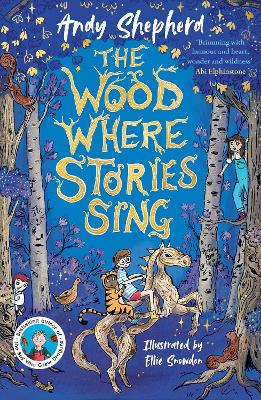 The second book in a fabulous new magical, middle-grade series filled with adventure, wonder and wildness,