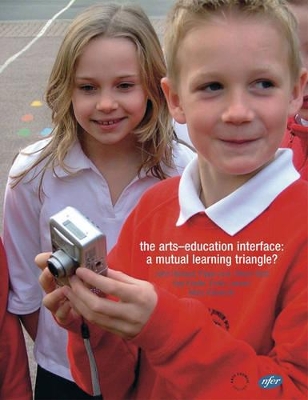
In 2001, the then Arts Council of England and Regional Arts Boards launched the Arts and Education Interface initiative. Its aim was to explore the impact of artists working in educational settings through a programme of arts-based interventions organised within the education action zones of Bristol and Corby. The Arts Council commissioned the National Foundation for Educational Research to study these interventions. This report identifies the outcomes of the initiative for: pupils and young people; teachers, schools and other host institutions; and, artists and art organisations. The research identifies broad factors that are perceived to affect outcomes for pupils, such as relevance and artists' pedagogy, and also those that affect outcomes for teachers and artists, such as the artist-teacher relationship and the role of the teacher during the intervention. The report discusses the study's implications for practice and policy regarding artists in education, and stresses the importance of one general and overarching characteristic of effective practice: the mutual learning triangle between pupils and young people, teachers and schools, and artists and art organisations.
This is essential reading for art educators, headteachers, artist and art organisations working with schools, and policy makers.
See More Art: general interest
No one has written a review for 'The Arts-education Interface: A Mutual Learning Triangle?'
Why not be the first to share your opinion?